604 E 1st Street, Tustin, CA 92780

5 Sleep Apnea Questions Our Patients Ask Before Starting Treatment


By SnoozX-AI | October 26, 2026
Starting sleep apnea treatment can feel overwhelming, and most new patients arrive with a list of questions. Dr. Hiral Desai hears the same ones every week at SnoozX-AI in Tustin. Here are honest, clear answers to the five most common, so you can walk in informed and confident.
Question 1: How Do I Know If I Actually Have Sleep Apnea?
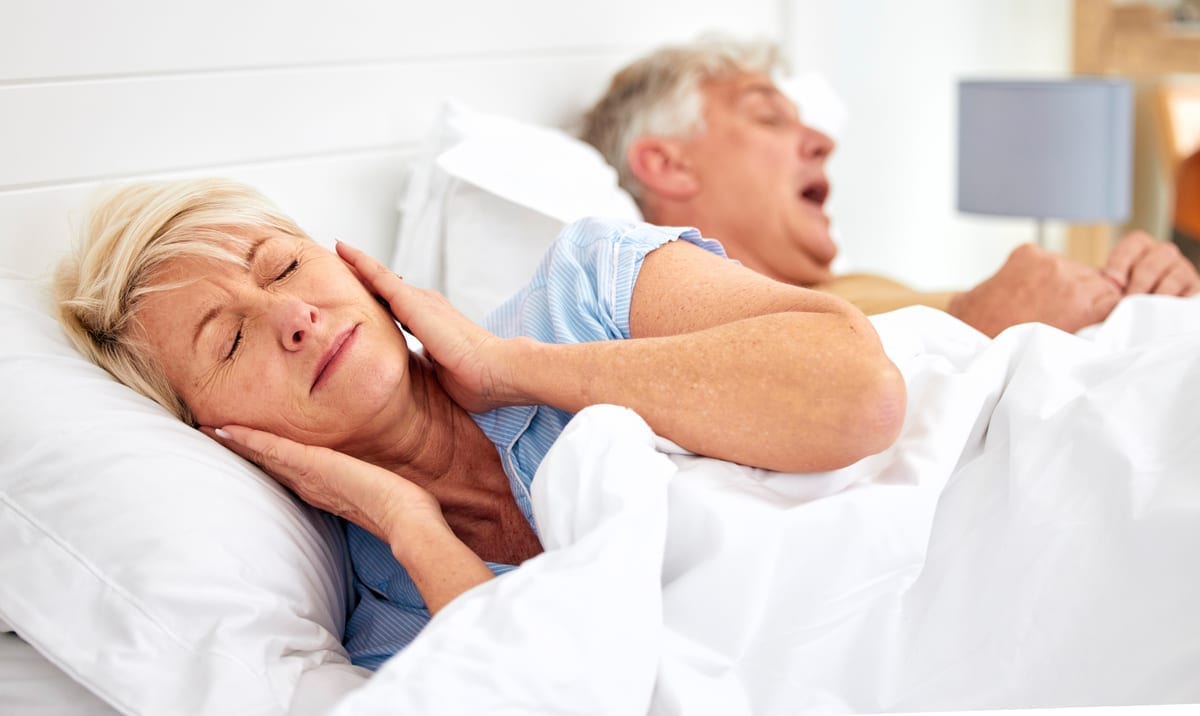
Common signs include loud snoring, gasping or choking during sleep, pauses in breathing noticed by a partner, morning headaches, and feeling exhausted despite a full night in bed. Not everyone with sleep apnea snores loudly. Daytime fatigue and trouble concentrating are also important warning signs.
Because these symptoms overlap with other conditions, the only way to confirm sleep apnea is a sleep study. If you haven't had one, our Sleep Study Referrals program connects you with qualified sleep physicians. Many patients can use a convenient home sleep test, while others need an in-lab study.
Question 2: What Happens at My First Appointment?
Your first visit is a relaxed, low-pressure consultation, not a sales pitch. It typically includes:
- A review of your sleep symptoms and medical history
- An exam of your airway, jaw, teeth and bite
- A review of your sleep study results, if you already have them
- A clear explanation of your options, with no pressure to decide immediately
- Time to ask every question on your mind
You don't need a referral to book a consultation. Before oral appliance therapy begins, a sleep study diagnosis and a referral from a sleep physician or your primary care doctor are required, and our team helps coordinate both. For a full walkthrough, see Sleep Apnea Treatment in Tustin, CA: What to Expect Step by Step.
Question 3: What Are My Treatment Options?
Many people assume CPAP is the only option, but it isn't. Common treatments include:
- Oral appliance therapy: a custom-made device that holds your lower jaw forward to keep your airway open. This is Dr. Desai's specialty.
- CPAP therapy: a machine that delivers steady air pressure through a mask, prescribed and managed by your sleep physician.
- Combined therapy: using an oral appliance together with CPAP, which can lower the pressure needed and improve comfort.
- Lifestyle and positional changes: weight management, side-sleeping and limiting alcohol can reduce severity.
- Surgery: considered for specific structural airway problems.
Oral appliances are effective for snoring and mild to moderate sleep apnea, and are an alternative for people with severe sleep apnea who cannot tolerate CPAP. Dr. Desai bases her recommendation on your diagnosis, anatomy and lifestyle, and works alongside your physician.
Question 4: Is Treatment Comfortable?
Comfort matters because it determines whether you use your treatment every night. Oral appliances are made from precise impressions of your teeth, so they fit only you. Patients appreciate that they are:
- Small, discreet and easy to travel with
- Silent, with no machine noise to disturb your partner
- Free of masks, hoses and electricity
- Easy to clean
Mild jaw soreness or extra saliva in the first week is normal and usually fades within one to two weeks. Dr. Desai adjusts the appliance at follow-up visits until it feels right. Our Sleep Apnea Treatment Recovery Guide has more comfort tips.
Question 5: How Soon Will I Notice Results?
- Weeks 1–2: adjustment period. Many patients already notice less snoring.
- Weeks 3–4: daytime energy and concentration often improve.
- Months 2–3: with fine-tuning, most patients enjoy consistent, restorative sleep.
- Ongoing: regular check-ups keep your results on track.
Consistency is everything. Wearing your appliance every night, even when you feel better, is what sustains results. Learn more in Sleep Apnea Treatment Results: How Long They Actually Last.
Ready to Take the First Step?
Untreated sleep apnea is linked to high blood pressure, heart disease and stroke (read Stop Sleep Apnea Before It Damages Your Heart, Lungs and Brain), so it's worth getting answers. You don't need to arrive with everything figured out. Just bring your questions. Contact us to schedule your consultation.
Frequently Asked Questions
Do I need a referral to see Dr. Desai?
No referral is needed to schedule a consultation. Before oral appliance therapy begins, a sleep study diagnosis and a referral from a sleep physician or your primary care doctor are required, and our team helps coordinate both.
Can sleep apnea go away on its own?
Rarely. Weight loss or sleeping on your side may reduce mild symptoms, but moderate to severe sleep apnea almost always needs treatment to prevent long-term health problems.
Is an oral appliance as effective as CPAP?
For snoring and mild to moderate obstructive sleep apnea, oral appliances are clinically proven and often easier to use every night. CPAP is generally more effective for severe sleep apnea, but an oral appliance is a recognized alternative for people who cannot tolerate CPAP.
What happens if I stop using my appliance?
Symptoms usually return within a few nights. Sleep apnea is a chronic condition, and consistent nightly use is what maintains the benefits.
How often will I need follow-up visits?
You'll have several visits in the first months while your appliance is adjusted. After that, check-ups every six to twelve months are typical.