604 E 1st Street, Tustin, CA 92780

Sleep Apnea Treatment Results: How Long They Actually Last


By SnoozX-AI | August 10, 2026
Many Tustin patients ask the same question after starting treatment: how long will this actually work? Understanding sleep apnea treatment results and how long they actually last in Tustin helps you set realistic expectations. The honest answer depends on the type of treatment, your health habits, and how consistently you follow through. Dr. Desai at SnoozX-AI Tustin wants you to feel informed every step of the way.
What Determines How Long Sleep Apnea Treatment Results Last?
No two patients are exactly alike. Your anatomy, weight, sleep position, and lifestyle all play a role in how durable your results will be. Treatments that work well in the short term can lose effectiveness if certain factors change over time. That is why understanding the variables matters just as much as starting treatment itself.
There are several key factors that influence longevity:
- Body weight changes — Weight gain can worsen airway obstruction and reduce treatment effectiveness
- Treatment type — CPAP therapy, oral appliances, and positional therapy each have different durability profiles
- Consistency of use — Skipping nights dramatically reduces long-term outcomes
- Underlying health conditions — Conditions like nasal congestion or allergies can interfere with results
- Age-related anatomical changes — Soft tissue shifts over time and may require treatment adjustments
Addressing these factors early gives you the best chance at lasting relief. Dr. Desai reviews each patient’s full health picture before recommending a treatment path.
How Long Do Common Sleep Apnea Treatments Actually Last in Tustin?
Different treatments have different lifespans. CPAP therapy can work indefinitely when used consistently and maintained properly. The machine itself typically lasts five to seven years before needing replacement. Oral appliances, which are a popular alternative for mild to moderate apnea, generally last three to five years with proper care.
Positional therapy devices tend to have a shorter functional lifespan of one to two years. Surgical options, when appropriate, can produce longer-lasting structural changes. However, surgery does not guarantee permanent results because soft tissue can shift with age or weight gain.
Here is a quick comparison by treatment type:
- CPAP therapy: Indefinite effectiveness with consistent use; equipment replaced every 5–7 years
- Oral appliances: Effective for 3–5 years; requires periodic refitting
- Positional devices: Typically 1–2 years of reliable use
- Lifestyle-based interventions: Results last as long as the habits are maintained
Knowing your treatment’s expected lifespan helps you plan follow-up appointments accordingly. Our team at SnoozX-AI Tustin will help you track progress and stay ahead of any needed changes.
What Shortens Sleep Apnea Treatment Results — and What Extends Them?
Certain habits and health changes can shorten how long your treatment stays effective. Alcohol consumption relaxes throat muscles and can worsen nighttime breathing even with treatment in place. Smoking irritates the airway lining and contributes to inflammation. Gaining even ten to fifteen pounds can significantly increase airway collapse during sleep.
On the flip side, several behaviors can meaningfully extend your results. Maintaining a healthy weight is one of the most powerful things you can do. Sleeping on your side instead of your back reduces airway pressure naturally. Avoiding sedatives and alcohol before bed keeps throat muscles firmer during sleep.
Consistent follow-up is equally important. Many Tustin patients benefit from Sleep Study Referrals Tustin to check whether their current treatment is still calibrated correctly. A follow-up sleep study can reveal whether your apnea has improved, worsened, or shifted in character over time.
Ongoing Maintenance: What Tustin Patients Need to Know
Maintenance is not optional — it is what keeps your results working. For CPAP users, this means cleaning the mask, tubing, and humidifier chamber regularly. Dirty equipment can harbor bacteria and reduce seal quality, making therapy less effective. Replacing worn-out mask cushions and headgear on schedule also matters.
Oral appliance users need to schedule periodic dental visits to check for fit changes. Your jaw and bite can shift slightly over time, which affects how well the device keeps your airway open. Dr. Desai can make small adjustments that preserve the appliance’s effectiveness for longer.
Annual follow-up appointments are a smart standard for most patients. These visits allow Dr. Desai to assess whether symptoms have returned or changed. They also create an opportunity to discuss lifestyle changes that may be affecting your results. Staying proactive is far easier than restarting treatment from scratch.
When to Talk to Dr. Desai About Changing Your Treatment Plan
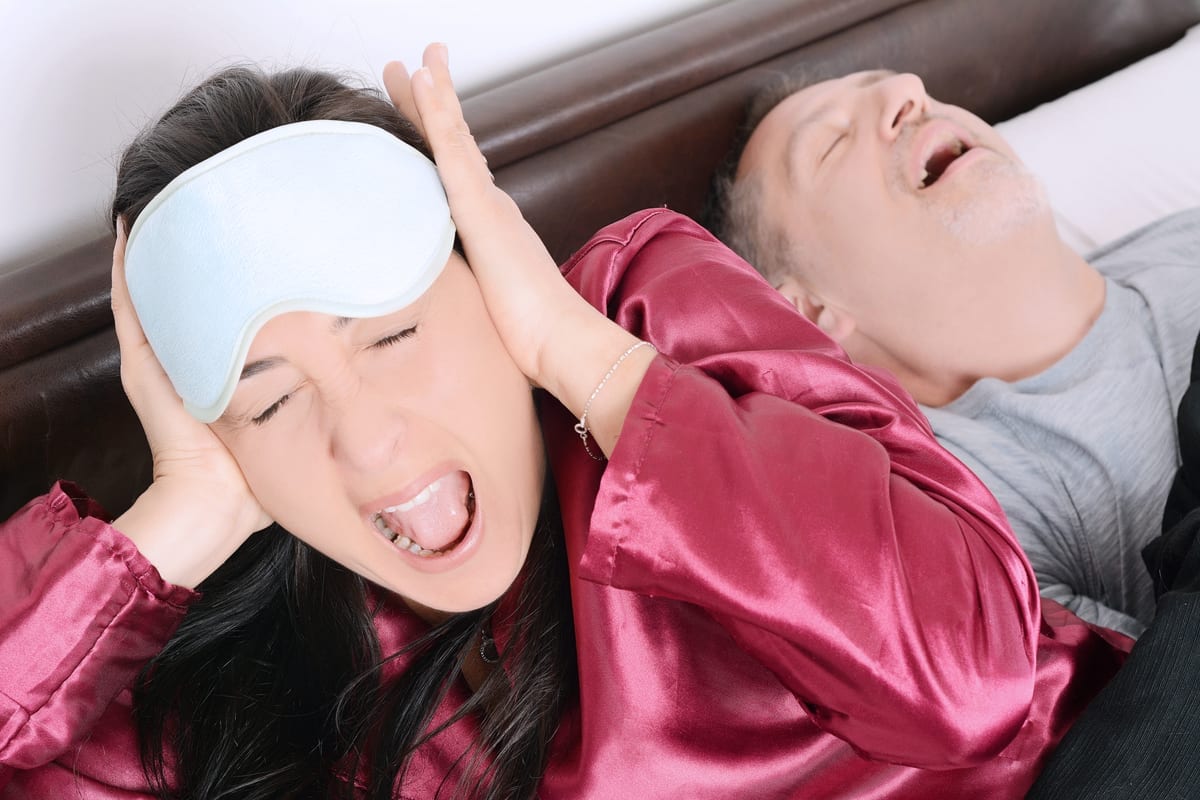
Sometimes a treatment that worked well initially stops delivering the same results. This is not a failure — it is a normal part of managing a dynamic condition. Signs that your treatment may need adjustment include returning daytime sleepiness, waking up with headaches, or a partner noticing snoring again. These are signals worth acting on promptly.
Major life changes also warrant a conversation with your provider. Significant weight loss or gain, a new diagnosis, a move to a higher altitude, or new medications can all affect how well your current approach works. Do not wait for symptoms to become severe before reaching out.
If you have questions about your current treatment or want to explore your options, Contact Us Tustin to speak with our team directly. We are here to help you stay on track with your sleep health goals.
Conclusion
Sleep apnea treatment results can last for years — sometimes decades — when the right approach is matched to the right patient. Consistency, maintenance, and regular follow-up are what separate short-term relief from lasting improvement. Tustin patients who stay engaged with their care tend to see the best long-term outcomes. Dr. Desai and the team at SnoozX-AI Tustin are ready to guide you through every stage of that journey. Book Now to schedule your appointment with our team.
Frequently Asked Questions
How long does CPAP therapy stay effective?
CPAP therapy can remain effective indefinitely as long as you use it consistently and maintain the equipment properly. The machine typically needs replacement every five to seven years, and mask components should be replaced more frequently. Regular follow-up with your provider ensures the pressure settings remain accurate over time.
Can sleep apnea come back after treatment?
Yes, sleep apnea symptoms can return if your health or lifestyle changes significantly. Weight gain, aging, new medications, or changes in nasal anatomy can all contribute to a recurrence. Scheduling periodic follow-up visits with Dr. Desai helps catch any changes early before they become severe.
How often should I get a follow-up sleep study in Tustin?
Most patients benefit from a follow-up sleep study every one to two years, or sooner if symptoms return. A new study helps confirm whether your current treatment is still calibrated to your needs. Dr. Desai will recommend a schedule based on your individual treatment type and health history.
How long do oral appliances last for sleep apnea?
Oral appliances typically last three to five years with proper care and regular dental check-ups. Over time, your jaw alignment can shift, which may require refitting or replacement of the device. Keeping up with scheduled visits ensures your appliance continues to hold your airway open effectively.
What lifestyle changes help sleep apnea treatment last longer?
Maintaining a healthy weight, sleeping on your side, avoiding alcohol before bed, and quitting smoking all help extend the effectiveness of your treatment. These habits reduce the airway collapse that drives obstructive sleep apnea. Combining lifestyle changes with a consistent treatment routine gives you the best chance at long-term results.