604 E 1st Street, Tustin, CA 92780
Stop Sleep Apnea Before It Damages Your Heart, Lungs and Brain


By SnoozX-AI | September 7, 2026
Sleep apnea is far more than a snoring problem. Left untreated, it quietly raises your risk of high blood pressure, heart disease, stroke and memory problems. The good news is that these risks can be reduced with early, effective treatment. Dr. Hiral Desai and the team at SnoozX-AI in Tustin can help you understand the risks and take action.
Why Untreated Sleep Apnea Is a Silent Threat
With obstructive sleep apnea, the airway repeatedly collapses during sleep and breathing stops for seconds at a time. Each pause lowers your oxygen level and triggers a stress response: your heart rate jumps and your blood pressure surges. This can happen dozens or even hundreds of times a night.
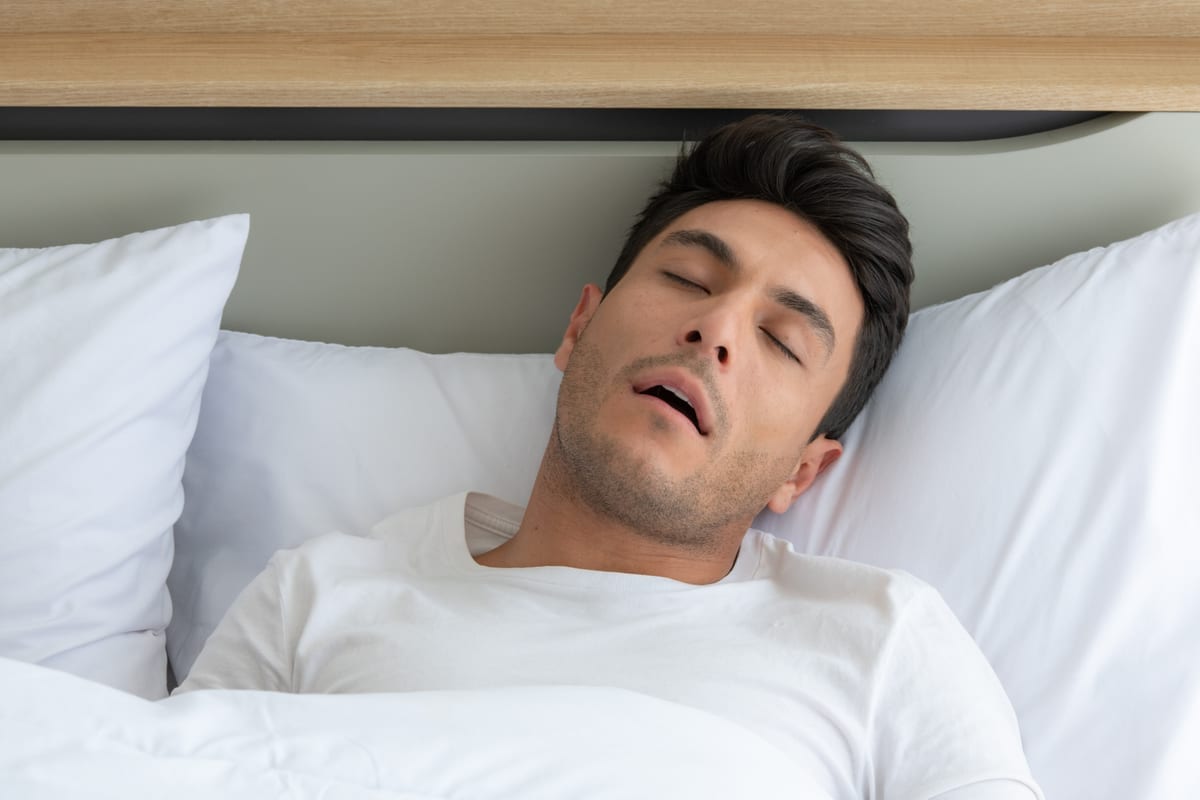
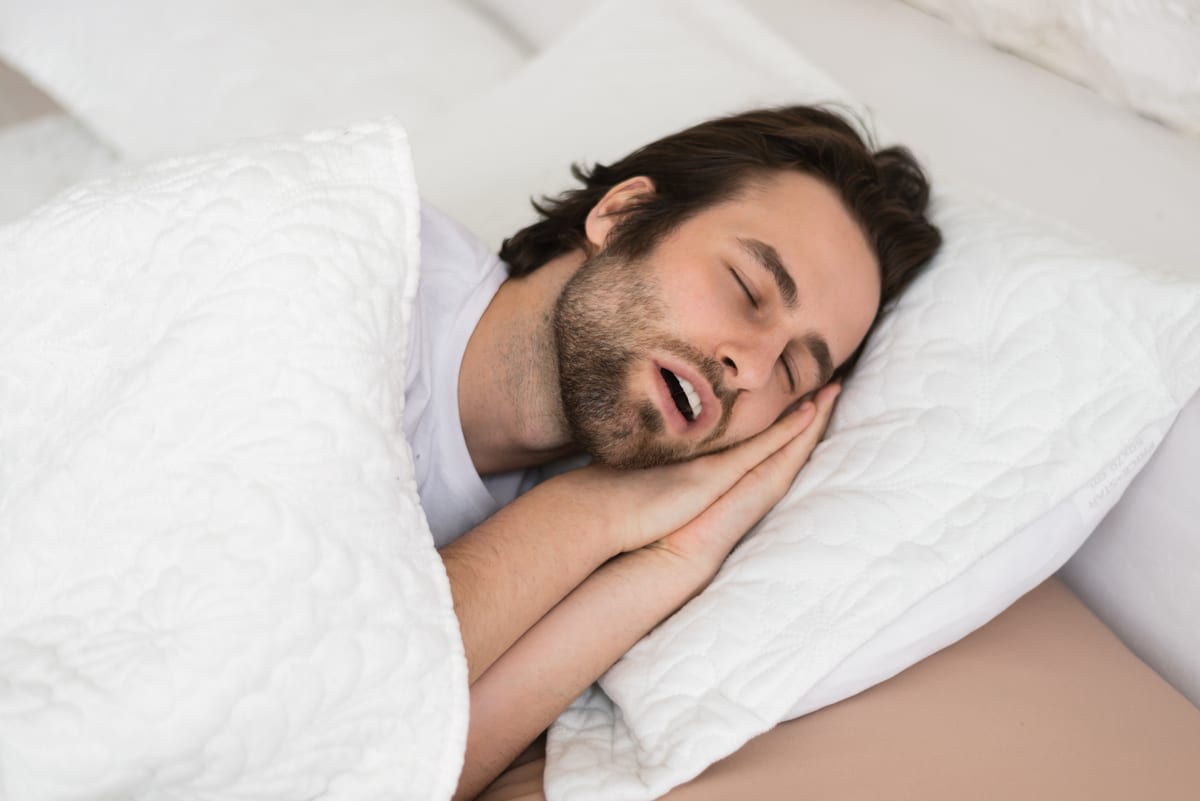
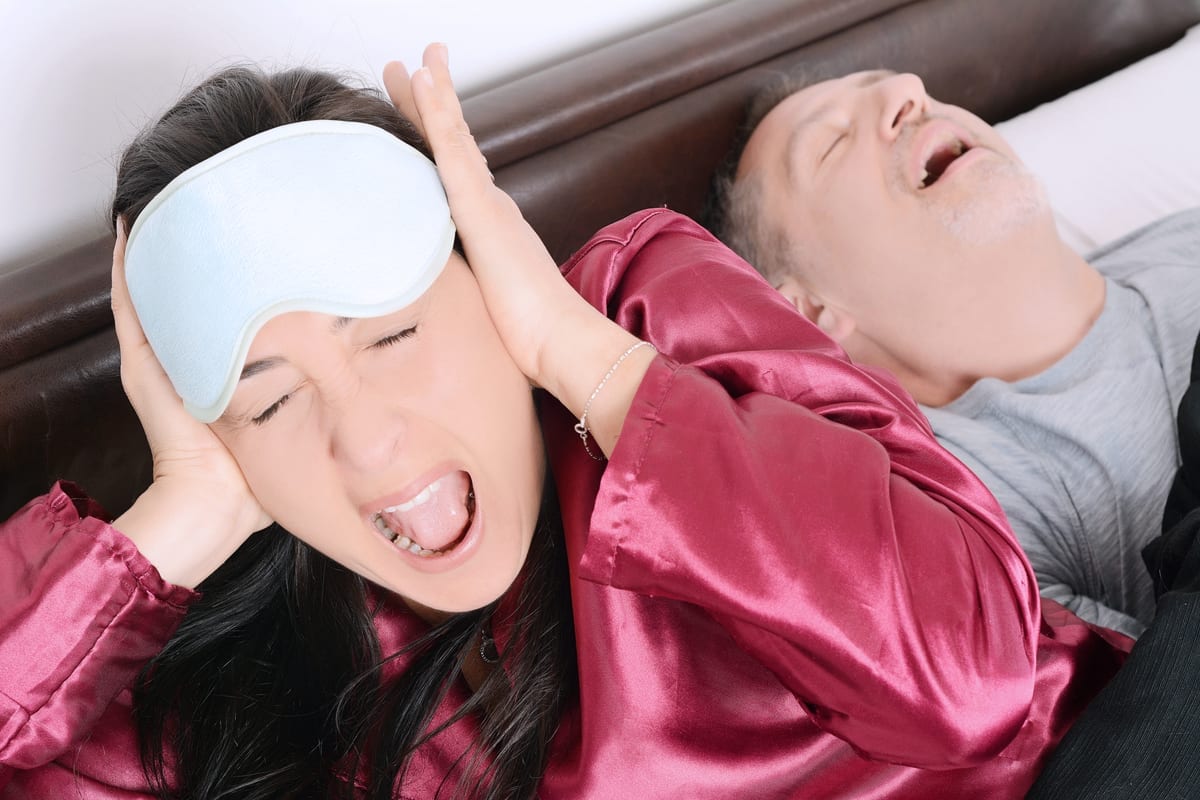
Many people don't know they have sleep apnea. A bed partner may notice loud snoring or gasping, but people who sleep alone often notice nothing more than daytime fatigue. That is why evaluation matters even when symptoms seem mild.
How Sleep Apnea Affects Your Heart
- High blood pressure: repeated nightly surges can lead to hypertension that is hard to control with medication.
- Irregular heart rhythms: oxygen swings are linked to atrial fibrillation.
- Heart disease and heart failure: chronic strain makes the heart work harder over time.
- Stroke: high blood pressure and irregular rhythms both raise stroke risk.
How It Affects Your Lungs and Breathing
Repeated drops in oxygen can raise pressure in the arteries of the lungs (pulmonary hypertension), especially in people who also have lung disease. Breathing against a blocked airway night after night places extra strain on the whole cardiopulmonary system.
How It Affects Your Brain
Your brain relies on deep, uninterrupted sleep to restore itself and consolidate memories. Sleep apnea fragments that process. Untreated sleep apnea is associated with poor concentration, memory problems, depression and a higher risk of cognitive decline. Severe daytime sleepiness also increases the risk of drowsy-driving and workplace accidents.
Other Health Effects
- Type 2 diabetes and difficulty controlling blood sugar
- Weight gain and acid reflux
- Morning headaches and irritability
Warning Signs You Should Not Ignore
- Loud, frequent snoring
- Choking, gasping or pauses in breathing noticed by a partner
- Waking unrefreshed despite a full night in bed
- Morning headaches or a dry mouth
- Difficulty concentrating or remembering things
- High blood pressure that is difficult to control
If a family member has told you that you stop breathing during sleep, take it seriously. Don't wait for a cardiac event to seek help.
How Dr. Desai Evaluates and Treats Sleep Apnea
Getting started is simpler than most people expect:
- Consultation: Dr. Desai reviews your symptoms, sleep habits and health history and examines your airway, jaw and bite.
- Sleep study: if you haven't had one, our Sleep Study Referrals program connects you with sleep physicians for a home or in-lab study.
- Custom oral appliance: a comfortable, FDA-cleared device that holds your lower jaw and tongue forward to keep your airway open.
- Follow-up: Dr. Desai adjusts the appliance and coordinates with your physicians to confirm it is working.
Oral appliance therapy is effective for snoring and mild to moderate sleep apnea, and is an alternative for people with severe sleep apnea who cannot tolerate CPAP. Learn more in Sleep Apnea Treatment in Tustin, CA: What to Expect Step by Step.
The Benefits of Treating It Early
Effective treatment keeps your airway open, so your oxygen levels stay steady through the night. Many patients notice more energy, sharper focus and better mood within weeks. Over time, treating sleep apnea can help lower blood pressure and reduce strain on your heart. Think of it as preventive care, just like managing high blood pressure or cholesterol.
Protect Your Health, Starting Today
Every night without treatment is another night of strain on your heart, lungs and brain. Effective, comfortable treatment is available right here in Tustin. Contact us to schedule your consultation.
Frequently Asked Questions
How does sleep apnea damage the heart?
Each breathing pause lowers your oxygen level and triggers a surge in heart rate and blood pressure. Repeated night after night, this raises the risk of high blood pressure, atrial fibrillation, heart failure and stroke. Effective treatment reduces this strain.
Can sleep apnea affect my memory?
Yes. Sleep apnea fragments the deep sleep your brain needs to restore itself and consolidate memories. Long-term untreated sleep apnea is associated with concentration problems, memory issues and a higher risk of cognitive decline.
How do I know if I have sleep apnea?
Common signs include loud snoring, gasping during sleep, morning headaches and feeling exhausted despite a full night in bed. Only a sleep study can confirm it, and our team can help arrange one.
Is CPAP the only treatment?
No. A custom oral appliance is an effective option for snoring and mild to moderate sleep apnea, and an alternative for people with severe sleep apnea who cannot tolerate CPAP. No mask or machine is required.
How soon will I notice improvements?
Many patients notice better sleep, more energy and less snoring within the first few weeks. Longer-term benefits to blood pressure and overall health build over months of consistent treatment.