604 E 1st Street, Tustin, CA 92780
Sleep Apnea Treatment Recovery Guide


By SnoozX-AI | July 6, 2026
Starting sleep apnea treatment is a life-changing decision. But many patients in Tustin wonder what happens after that first appointment. Knowing what to expect after sleep apnea treatment is just as important as the treatment itself. This recovery guide from Dr. Desai at SnoozX-AI Tustin walks you through everything — timelines, comfort tips, diet, and warning signs to watch for.
Understanding Your Sleep Apnea Treatment Recovery Timeline
Recovery looks different depending on your treatment type. The most common options include oral appliance therapy, CPAP therapy, or a referral for a surgical evaluation. Each has its own adjustment window.
Oral appliance users typically need one to two weeks to adapt. Your jaw, teeth, and facial muscles need time to adjust to the new positioning. Mild soreness in the jaw is completely normal during this phase.
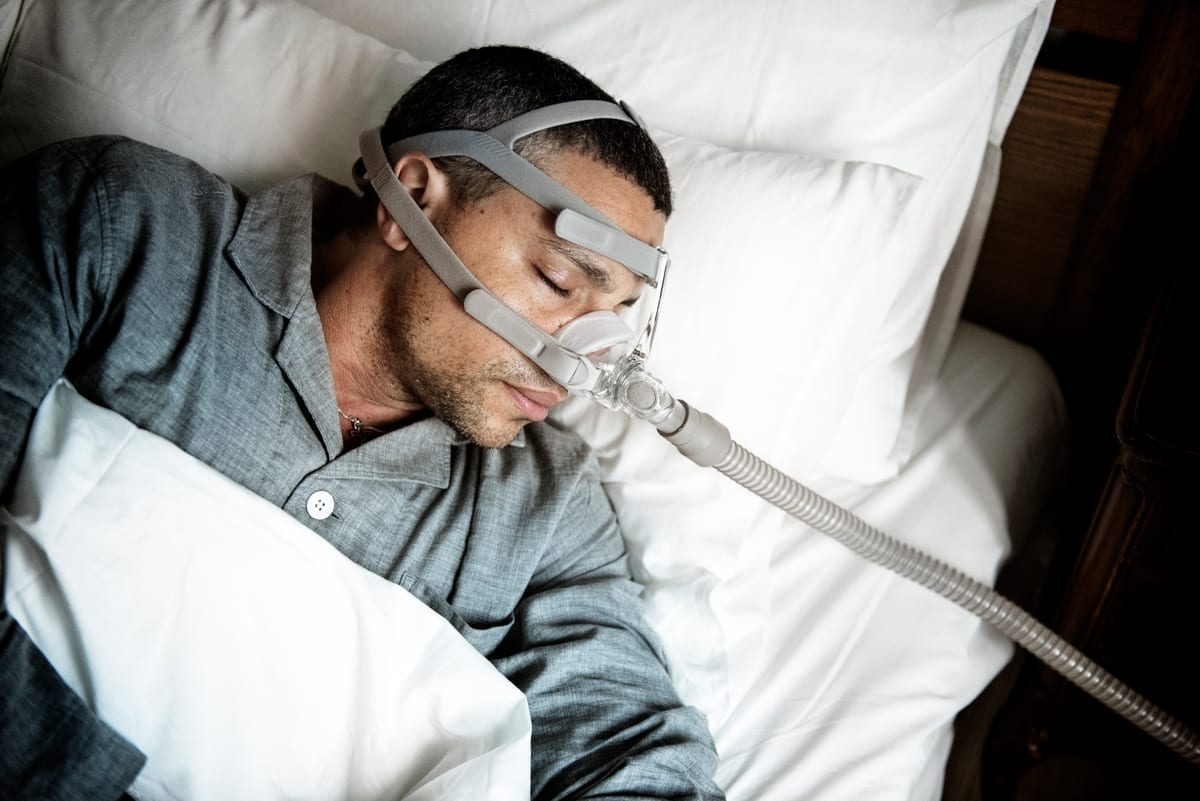
CPAP users often adapt within two to four weeks. Mask fit, airflow pressure, and sleeping position all play a role. Dr. Desai may schedule a follow-up to fine-tune your settings during this period.
If your treatment began with diagnostic steps, such as Sleep Study Referrals, your timeline may extend slightly. That additional data helps Dr. Desai customize your recovery plan for the best long-term results.
What to Eat and Drink After Starting Treatment
Diet may not be the first thing you think about after sleep apnea treatment. However, what you eat can impact how comfortable your adjustment period feels. This is especially true for patients using oral appliance therapy.
During the first week, stick to softer foods. Your jaw muscles may feel fatigued or tender from wearing a new appliance overnight. Soups, yogurt, eggs, and mashed vegetables are all easy on your jaw.
Avoid overly chewy or hard foods for the first few days. Gum, tough meats, and crunchy snacks can increase jaw discomfort. Once the soreness subsides, you can return to your normal diet gradually.
Staying well-hydrated also supports better sleep quality. Dry mouth is a common side effect of both CPAP therapy and oral appliances. Drinking water throughout the day helps reduce irritation and keeps airways moist overnight.
Managing Discomfort: Tips for a Smoother Recovery in Tustin
Some discomfort after starting sleep apnea treatment is expected. Knowing how to manage it makes the process much easier. Here are practical tips that Dr. Desai recommends for patients in Tustin.
- Jaw stretches: Gentle morning stretches reduce muscle stiffness from oral appliance wear.
- Warm compresses: Apply a warm cloth to your jaw for five to ten minutes to ease tension.
- Over-the-counter pain relief: Ibuprofen or acetaminophen can reduce mild soreness — always follow label directions.
- Proper mask fit: CPAP users should check that the mask is snug but not overly tight. A poor fit causes skin irritation and pressure points.
- Gradual wear-in: If soreness is significant, wear your appliance for shorter periods at first and build up slowly.
- Consistent use: Skipping nights may actually prolong the adjustment period. Consistent nightly use speeds up adaptation.
Most patients find that discomfort fades noticeably after the first week. If pain worsens or persists beyond two weeks, contact the SnoozX-AI Tustin team right away.
What to Expect After Sleep Apnea Treatment: Signs You’re Improving
Recovery is not just about managing discomfort. It is also about recognizing the positive changes happening in your body. These signs indicate that your treatment is working effectively.
- Waking up feeling more refreshed and rested
- Reduced or eliminated snoring reported by a partner
- Less daytime fatigue and improved concentration
- Fewer morning headaches caused by nighttime oxygen drops
- Better mood and reduced irritability throughout the day
- Improved energy for exercise and daily activities
These improvements may appear gradually over the first few weeks. Some patients notice changes within days. Others take a full month to feel significant differences.
Do not be discouraged if progress feels slow. Sleep apnea treatment is a long-term commitment. Consistent use of your prescribed therapy leads to meaningful, lasting improvement.
When to Call Dr. Desai: Red Flags to Watch For
Most recovery experiences are smooth and uneventful. However, certain symptoms require prompt attention from Dr. Desai. Never ignore signs that something may not be right.
Contact SnoozX-AI Tustin if you experience any of the following:
- Severe jaw pain that does not improve after several days
- Tooth pain or new sensitivity linked to your appliance
- Significant changes in your bite or tooth alignment
- Skin sores, rashes, or pressure wounds from a CPAP mask
- Persistent dry mouth that leads to throat irritation or cracking
- Continued snoring or gasping despite consistent appliance use
These issues are often easy to resolve with a quick adjustment. Catching them early prevents bigger problems down the road. Dr. Desai and the SnoozX-AI Tustin team are always here to support your recovery.
You can also reach out through our Contact Us page to ask questions or schedule a check-in appointment. No concern is too small.
Your Long-Term Success After Sleep Apnea Treatment
Recovery from sleep apnea treatment does not end after a few weeks. Long-term success depends on consistent habits and regular follow-up care. Building those habits now sets you up for years of better sleep.
Schedule your follow-up appointments as recommended by Dr. Desai. These visits allow the team to assess how well your treatment is working. Adjustments can be made to improve comfort and effectiveness.
Clean your oral appliance or CPAP equipment daily. Bacteria and debris build up quickly on sleep devices. Proper hygiene protects both your equipment and your oral health.
Track your sleep quality using a journal or a sleep-tracking app. Sharing this information with Dr. Desai helps guide any needed changes. Your recovery is an ongoing conversation — not a one-time event.
Begin Your Recovery Journey With Confidence in Tustin
Understanding what to expect after sleep apnea treatment makes the process far less intimidating. With the right guidance, most patients in Tustin adapt quickly and feel significant relief within weeks. Dr. Desai and the SnoozX-AI Tustin team are committed to supporting every step of your recovery. Book Now to schedule your appointment with our team.
Frequently Asked Questions
How long does it take to feel better after starting sleep apnea treatment?
Most patients begin to notice improvements within one to four weeks of consistent treatment use. Some feel more rested within just a few nights. The full benefits of treatment often take one to three months to develop as your body adjusts to better sleep quality.
Is jaw soreness normal after wearing an oral appliance?
Yes, mild jaw soreness is very common during the first one to two weeks of oral appliance therapy. Your jaw muscles and joints need time to adapt to the new positioning. Warm compresses and gentle stretching usually provide relief. If soreness is severe or persists beyond two weeks, contact Dr. Desai for an evaluation.
Can I eat normally while using a sleep apnea oral appliance?
You wear the oral appliance only while sleeping, so it does not restrict what you eat. However, if your jaw feels sore in the mornings, softer foods throughout the day can reduce additional strain. Once your jaw fully adjusts, there are no dietary restrictions related to your appliance.
What should I do if my CPAP mask is causing skin irritation?
Skin irritation from a CPAP mask usually means the mask is too tight or does not fit your face shape properly. Try loosening the straps slightly and ensure the mask is clean before each use. If irritation continues, contact SnoozX-AI Tustin to explore different mask styles or sizes that may be a better fit.
How often should I follow up with Dr. Desai after starting treatment?
Dr. Desai typically recommends a follow-up visit within four to six weeks of starting treatment. This allows the team to assess your progress and make any necessary adjustments. After that, annual check-ins are usually sufficient unless you have concerns in between visits.