604 E 1st Street, Tustin, CA 92780

Sleep Apnea Treatment Recovery Guide


By SnoozX-AI | July 13, 2026
If you just completed sleep apnea treatment in Tustin, you may have questions about what comes next. Knowing what to expect after sleep apnea treatment is your recovery guide to feeling better faster. At SnoozX-AI Tustin, Dr. Desai wants every patient to feel informed and confident during recovery. This guide walks you through each stage so nothing catches you off guard.
Understanding Your Recovery Timeline After Sleep Apnea Treatment in Tustin
Recovery after sleep apnea treatment varies depending on the type of therapy you received. Oral appliance therapy typically requires little to no downtime. CPAP users may need a few weeks to fully adjust to their equipment.
Most patients in Tustin notice improvements in sleep quality within the first one to two weeks. Energy levels often rise noticeably once your airway stays open through the night. Some patients, however, take a full month before they feel completely comfortable with their new routine.
Dr. Desai recommends tracking your sleep and energy each morning during the first four weeks. This data helps your care team fine-tune your treatment plan. If you had a surgical procedure, your recovery may take four to six weeks depending on the approach.
Patience is key. The body needs time to adapt to consistent, uninterrupted breathing during sleep. Stick with your prescribed treatment even on difficult nights.
What to Eat and Drink During Your Recovery Period
Nutrition plays a bigger role in sleep apnea recovery than most patients realize. A balanced diet supports tissue healing and reduces inflammation in the airway. Staying well-hydrated also helps keep your throat comfortable and healthy.
Focus on soft, anti-inflammatory foods during the first week, especially if you had a procedure. Good choices include:
- Smoothies and protein shakes
- Cooked vegetables and soups
- Oatmeal and soft grains
- Greek yogurt and eggs
- Mashed sweet potatoes
Avoid alcohol during recovery. Alcohol relaxes the throat muscles and can worsen airway obstruction. Caffeine late in the day may also disrupt the sleep improvements you are working hard to achieve.
Maintaining a healthy weight supports long-term treatment success. Dr. Desai may recommend a referral to a nutritionist if weight management is part of your care plan.
Managing Discomfort: Pain and Adjustment Tips From Dr. Desai
Mild soreness is normal, especially with oral appliance therapy. Your jaw, teeth, and surrounding muscles need time to adapt to a new position. This discomfort usually fades within one to two weeks.
Here are practical tips to ease the adjustment period:
- Wear your oral appliance consistently, even if it feels awkward at first
- Use over-the-counter pain relievers as directed if jaw soreness develops
- Apply a warm compress to sore jaw muscles in the morning
- Practice gentle jaw stretches recommended by Dr. Desai
- Report excessive pain or bite changes to our office right away
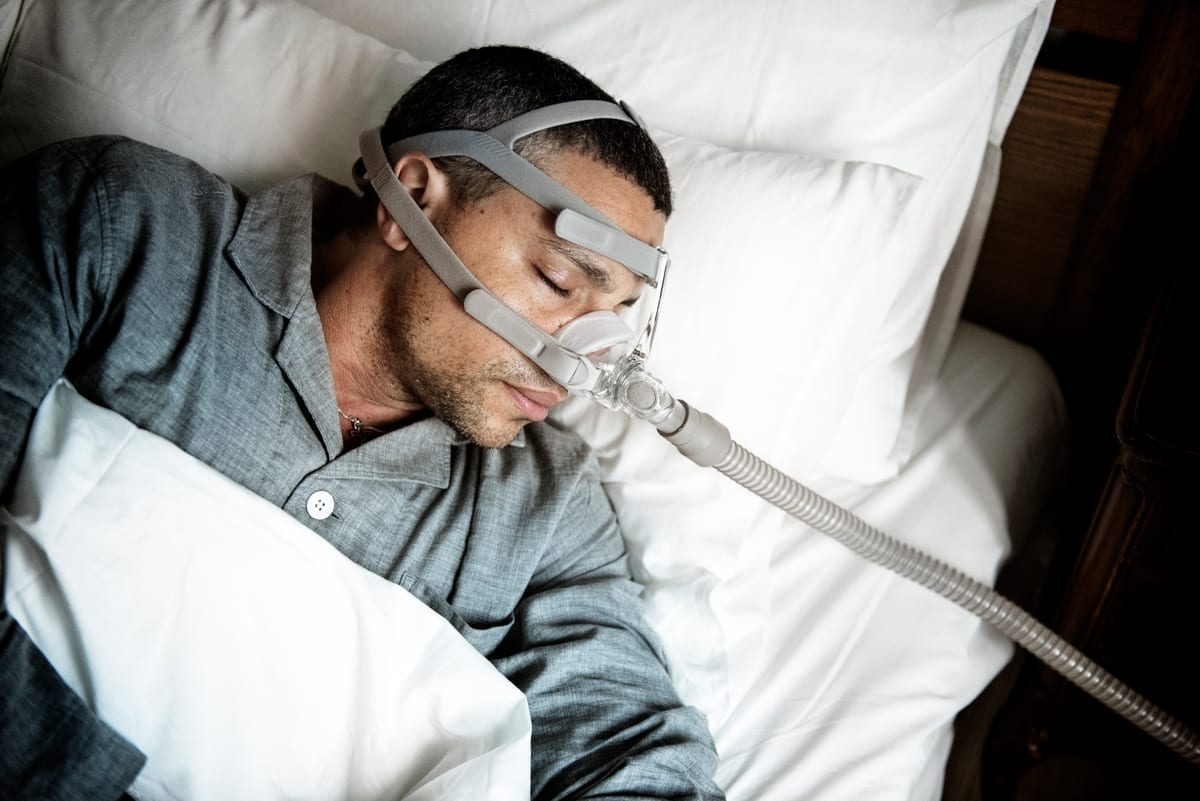
CPAP users may experience nasal dryness or skin irritation from their mask. A heated humidifier attachment often resolves dryness quickly. Make sure your mask fits correctly by scheduling a follow-up with our Tustin team.
Do not push through significant pain without contacting us. Some discomfort is expected, but sharp or persistent pain is a signal that something needs attention.
Follow-Up Appointments and Monitoring Your Progress in Tustin
Regular follow-up visits are essential after sleep apnea treatment. Dr. Desai uses these appointments to evaluate how well your therapy is working. Adjustments to your oral appliance or CPAP settings may be needed as your body changes.
Your first follow-up is typically scheduled two to four weeks after starting treatment. After that, visits are usually every three to six months for the first year. Long-term monitoring helps ensure your airway stays protected as you age.
Our office also coordinates Sleep Study Referrals when ongoing monitoring requires updated diagnostic testing. A follow-up sleep study helps confirm that your treatment is reducing apnea events effectively. This data guides Dr. Desai in making the most accurate adjustments to your care.
Keep a sleep diary and bring it to each appointment. Note how many hours you slept, how rested you feel, and any symptoms that return. Your input is one of the most valuable tools your care team has.
Warning Signs to Watch For After Sleep Apnea Treatment
Most patients recover smoothly, but some signs require prompt attention. Knowing what to watch for protects your health and your treatment results. Do not ignore symptoms that feel unusual or worsening.
Contact our Tustin office if you experience any of the following:
- Snoring returns or worsens significantly
- Jaw pain that does not improve after two weeks
- Tooth sensitivity or bite changes
- Persistent headaches upon waking
- Excessive daytime fatigue despite using your device
- Skin sores or pressure marks from your CPAP mask
These signs do not always mean treatment is failing. In many cases, a small adjustment fixes the issue quickly. Early communication with Dr. Desai leads to faster solutions and better outcomes.
If you are unsure whether something is normal, always err on the side of calling us. Our team is here to support you throughout your entire recovery journey.
Long-Term Habits That Support Sleep Apnea Recovery
Treatment works best when paired with healthy daily habits. Consistent sleep schedules help regulate your body’s natural rhythm. Going to bed and waking at the same time each day reinforces quality sleep cycles.
Sleeping on your side reduces airway obstruction for many patients. If you tend to sleep on your back, a body pillow can help you maintain a side position through the night. Elevating the head of your bed slightly may also help.
Avoid sedating medications unless prescribed by Dr. Desai. Sedatives relax the throat muscles in ways that can undermine your treatment. Always inform Dr. Desai of any new medications you are taking.
Exercise regularly, but avoid intense workouts within two hours of bedtime. Physical activity improves sleep quality and supports a healthy airway. Even a daily 30-minute walk can make a noticeable difference over time.
Conclusion: Your Recovery Is a Partnership With Dr. Desai
Understanding what to expect after sleep apnea treatment — your recovery guide in Tustin — is the first step toward lasting results. Recovery is not just about following instructions. It is about building a partnership with Dr. Desai and our team at SnoozX-AI Tustin. Have questions or concerns? Reach out to us anytime through our Contact Us page. We are committed to supporting you every step of the way. Book Now to schedule your appointment with our team.
Frequently Asked Questions
How long does recovery take after sleep apnea treatment?
Most patients adjust to oral appliance or CPAP therapy within two to four weeks. Surgical procedures may require four to six weeks of recovery. Dr. Desai will give you a personalized timeline based on your specific treatment.
Is it normal to feel tired after starting sleep apnea treatment?
Yes, some fatigue in the first few weeks is common. Your body is adjusting to a new sleep pattern and breathing rhythm. Most patients report significant energy improvements after the first month of consistent therapy.
What should I do if my oral appliance causes jaw pain?
Mild jaw soreness is expected during the first one to two weeks of wearing an oral appliance. Use a warm compress and over-the-counter pain relievers as needed. If the pain is sharp or persists beyond two weeks, contact our Tustin office right away.
Can I eat normally after sleep apnea treatment?
For most non-surgical treatments, there are no strict dietary restrictions. However, soft and anti-inflammatory foods can support your comfort in the early weeks. Avoid alcohol and late-day caffeine, as both can interfere with your sleep quality and treatment results.
How often do I need follow-up appointments after treatment?
Dr. Desai typically schedules your first follow-up two to four weeks after starting treatment. Ongoing appointments occur every three to six months during the first year. Regular check-ins ensure your therapy continues to work effectively as your needs evolve.