604 E 1st Street, Tustin, CA 92780

Sleep Apnea Treatment: 5 Questions New Patients Ask Before Starting


By SnoozX-AI | October 19, 2026
Starting sleep apnea treatment can feel overwhelming, especially if this is your first time exploring your options. At SnoozX-AI Tustin, Dr. Desai hears the same concerns from new patients every week. This guide directly addresses Sleep Apnea Treatment: 5 Questions New Patients Ask Before Starting in Tustin — so you can walk in informed and confident. Whether you snore loudly, feel exhausted every morning, or were recently told you stop breathing at night, you deserve clear and honest answers.
Question 1: Do I Actually Have Sleep Apnea? How Do I Know?
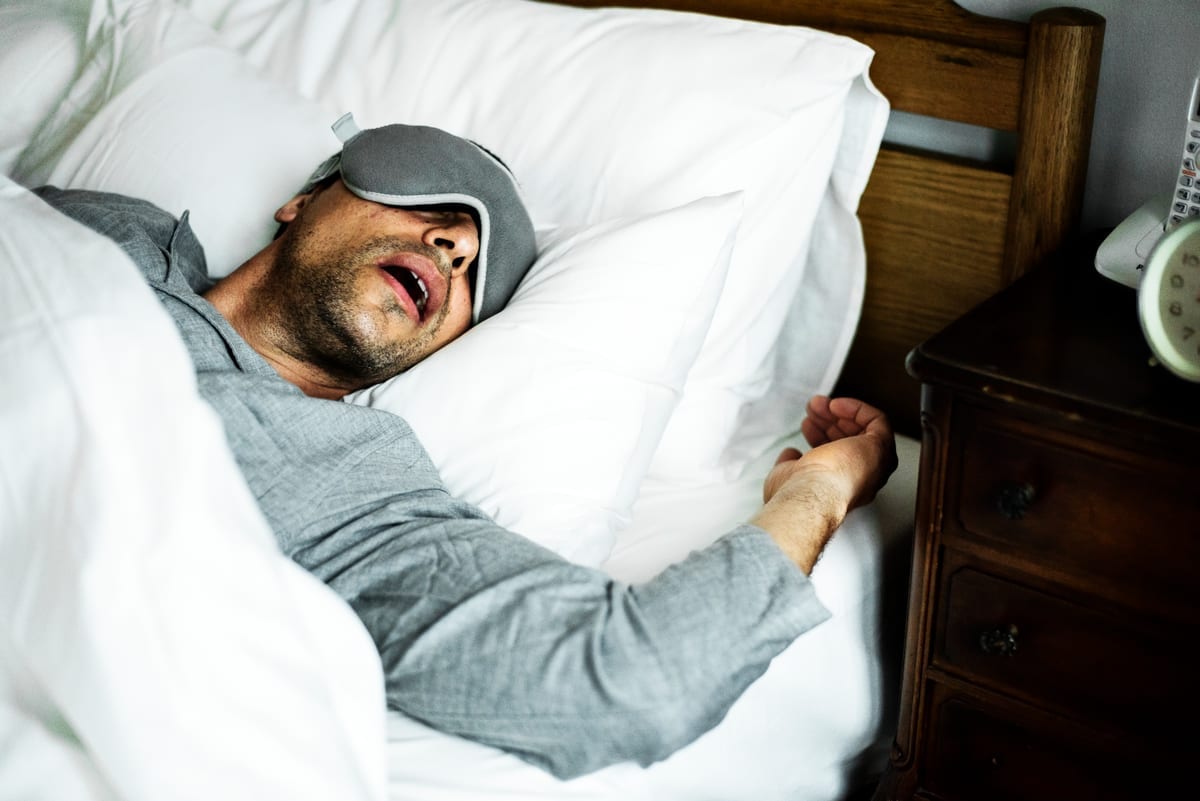
Many Tustin patients come in unsure whether their symptoms are truly sleep apnea. Common signs include loud snoring, waking up gasping, morning headaches, and extreme daytime fatigue. These symptoms overlap with other conditions, so a proper diagnosis matters.
Dr. Desai typically recommends a sleep study to confirm the diagnosis before starting any treatment. If you have not yet completed a study, our team can coordinate Sleep Study Referrals Tustin to get you tested quickly and conveniently. A confirmed diagnosis ensures your treatment plan is accurate from day one.
Never assume you have sleep apnea based on symptoms alone. Professional testing is fast, affordable, and gives you a clear picture of what is happening while you sleep.
Question 2: What Are My Sleep Apnea Treatment Options in Tustin?
This is one of the most common questions Dr. Desai receives. Patients often assume a CPAP machine is the only solution — but that is not true. There are several effective treatment paths available at SnoozX-AI Tustin.
- Oral Appliance Therapy (OAT): A custom-fitted mouthguard that repositions the jaw to keep your airway open during sleep.
- CPAP Therapy: A continuous positive airway pressure machine that delivers steady airflow through a mask.
- Combination Therapy: Some patients benefit from using both an oral appliance and CPAP together for improved compliance.
- Lifestyle Modifications: Weight management, sleep positioning, and reducing alcohol intake can reduce symptom severity.
- Surgical Options: Reserved for patients with structural airway issues who have not responded to other treatments.
Dr. Desai evaluates your diagnosis, lifestyle, and comfort level before recommending a specific approach. The goal is always long-term success — not a one-size-fits-all fix.
Question 3: Is Sleep Apnea Treatment Comfortable to Use Every Night?
Comfort is a top concern for new patients in Tustin. Many people have heard horror stories about bulky CPAP masks and loud machines. Those concerns are completely valid and worth addressing honestly.
Modern CPAP machines are significantly quieter and more compact than older models. Masks have also improved, with many patients finding a comfortable fit within the first few nights. Still, some people struggle with CPAP long-term.
Oral appliances are often preferred for their simplicity. They fit much like a sports mouthguard, require no electricity, and are easy to travel with. Most patients adjust to wearing one within one to two weeks.
Dr. Desai monitors your progress during follow-up visits and adjusts the appliance as needed. Comfort is not a luxury — it directly affects whether you actually use your treatment consistently.
Question 4: How Long Does Sleep Apnea Treatment in Tustin Take to Start Working?
Patients want to know when they will start feeling better. The good news is that many people notice improvement within the first few nights of consistent treatment. Here is a realistic timeline of what to expect:
- Night 1–3: Your body begins adjusting to the appliance or CPAP. Sleep may feel different at first.
- Week 1–2: Many patients report reduced snoring and fewer waking episodes during this window.
- Week 3–4: Daytime energy levels often improve noticeably as sleep quality improves.
- Month 2–3: Most patients experience consistent, restorative sleep and reduced symptoms overall.
- Ongoing: Regular follow-up visits with Dr. Desai help fine-tune treatment for lasting results.
Results vary depending on the severity of your apnea and how consistently you use your treatment. Patients who commit to nightly use see the fastest and most lasting improvements.
Question 5: Is Starting Treatment Worth It? What Are the Real Benefits?
Some patients hesitate because sleep apnea feels manageable — exhausting, but manageable. However, untreated sleep apnea carries serious long-term health risks. Dr. Desai encourages every Tustin patient to understand what is truly at stake.
Untreated sleep apnea is linked to high blood pressure, heart disease, stroke, type 2 diabetes, and impaired immune function. Beyond physical health, poor sleep affects mood, memory, and daily performance. The risks compound over time.
The benefits of starting treatment early are significant and well-documented:
- Deeper, more restorative sleep each night
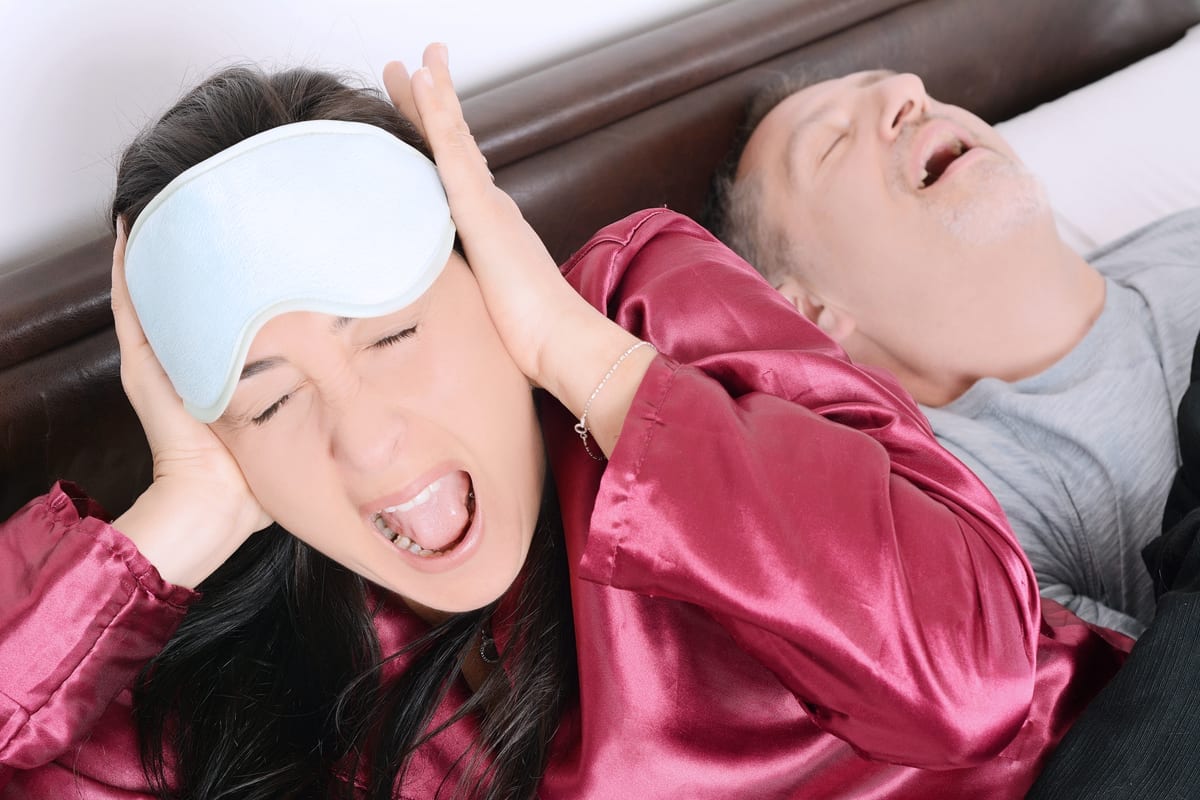
- Reduced snoring that benefits your bed partner too
- Lower risk of cardiovascular complications
- Improved daytime energy and mental clarity
- Better mood regulation and reduced irritability
- Stronger immune system and faster recovery from illness
Most patients say they wish they had started treatment sooner. The quality-of-life improvement is often described as life-changing within the first month.
Ready to Take the First Step Toward Better Sleep in Tustin?
Dr. Desai and the SnoozX-AI Tustin team understand that starting sleep apnea treatment raises a lot of questions. That is completely normal. Our goal is to make you feel informed, supported, and confident before you commit to any plan.
You do not have to figure this out alone. Our team walks every new patient through a thorough consultation, honest options, and a personalized treatment path that fits your life. We serve patients throughout Tustin and the surrounding Orange County area.
If you are ready to stop feeling exhausted and start sleeping well, we are here to help. Reach out to us today through Contact Us Tustin to ask any additional questions before your first visit. Book Now to schedule your appointment with our team.
Frequently Asked Questions
How do I know if I need a sleep study before starting treatment?
Yes, a sleep study is typically required before starting any sleep apnea treatment. It confirms whether you have sleep apnea, identifies the type — obstructive or central — and measures severity. Dr. Desai uses these results to build an accurate and effective treatment plan for you.
Can sleep apnea treatment be customized for my lifestyle?
Absolutely. Dr. Desai at SnoozX-AI Tustin tailors every treatment plan to the individual patient. Factors like your sleep position, travel habits, jaw anatomy, and symptom severity all influence which treatment is best suited for you. No two plans are exactly alike.
Is oral appliance therapy as effective as CPAP for sleep apnea?
For patients with mild to moderate obstructive sleep apnea, oral appliance therapy is clinically proven to be highly effective. Many patients also prefer it because it is quieter, more portable, and easier to use consistently. Dr. Desai will help you determine which option is best based on your diagnosis.
How many follow-up visits will I need after starting treatment?
Most patients return for a follow-up visit within the first few weeks to ensure their appliance fits properly and is producing results. After that, periodic check-ins — typically every six to twelve months — help maintain long-term effectiveness. Dr. Desai monitors your progress at every stage.
What happens if I do not treat my sleep apnea?
Untreated sleep apnea significantly increases the risk of high blood pressure, heart disease, stroke, and type 2 diabetes over time. It also causes chronic fatigue, poor concentration, and mood changes that affect daily life. Early treatment reduces these risks and improves overall health and wellbeing.